
Summary
Starting driving lessons for the first time can be exciting, intimidating, and sometimes overwhelming, especially when you are unsure what to expect. Many beginners enter lessons without understanding how the UK driving system works, how many lessons they may need, or how to choose the right learning style. The right preparation can save time, money, and unnecessary stress while improving your chances of passing successfully.
Get Our ServiceCALL: +44 741 3740846
Learning to drive is one of the biggest milestones for many people in the UK. It creates independence, opens up job opportunities, and gives you more flexibility in everyday life. But for beginners, the first step often comes with uncertainty. That’s why choosing the right driving course for beginners in the UK matters more than most people realise. The good news is that learning to drive does not have to feel overwhelming when you approach it the right way.
Things to Know for Beginners to Prepare for Driving Courses in the UK
1. Choose the Right Type of Driving Course
Not every learner benefits from the same teaching style or lesson structure. Some beginners learn best with weekly lessons that allow time to practise gradually. Others prefer intensive or semi-intensive courses that help them progress faster within a shorter period. A professional driving course should match your:
Confidence level
Schedule
Budget
Learning pace
Preferred transmission type
For example:
Busy professionals may prefer intensive driving courses.
Nervous learners often benefit from weekly structured lessons.
Students may choose flexible evening or weekend sessions.
Choosing the right course early can significantly improve your learning experience and reduce frustration later.
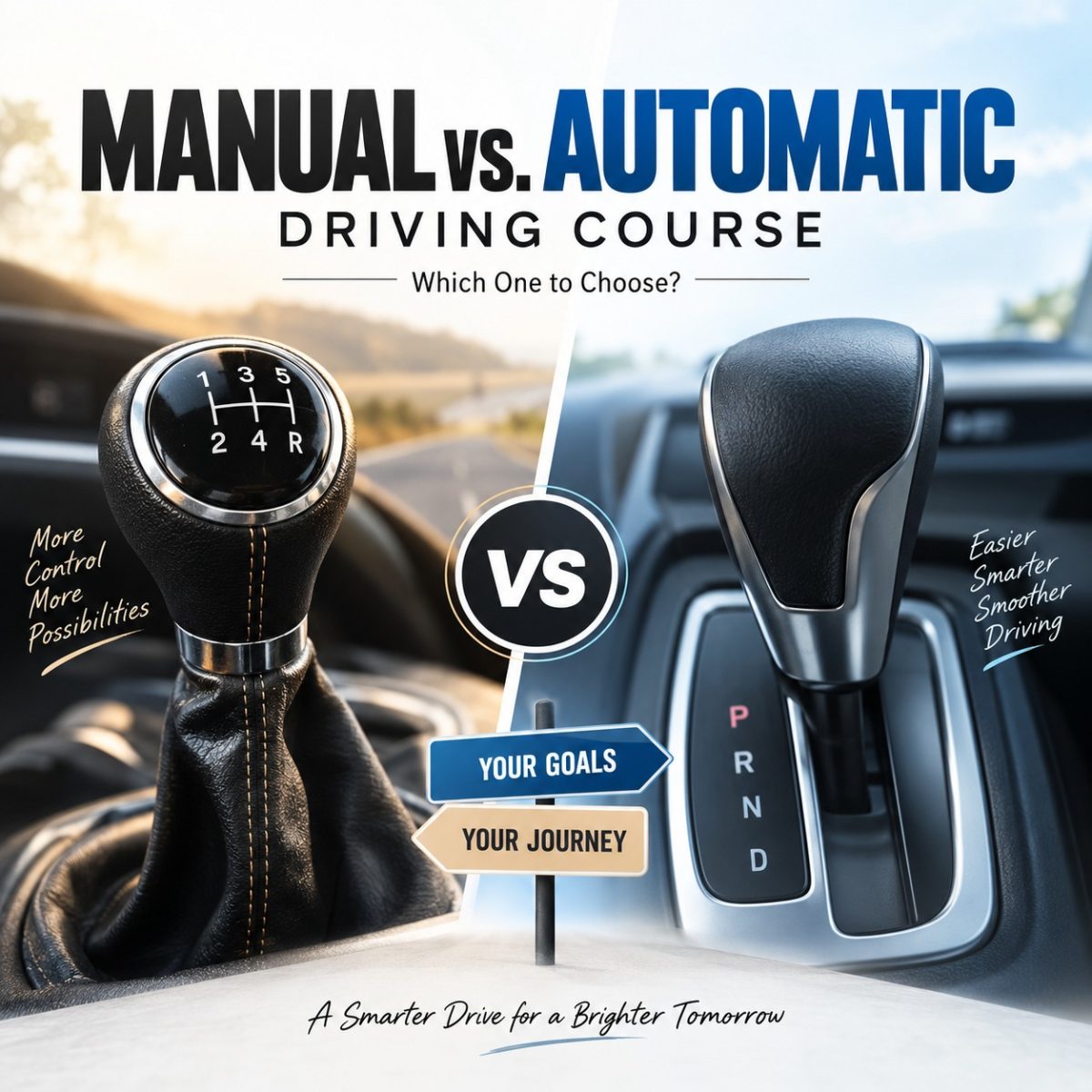
2. Understand the Difference Between Manual and Automatic Lessons
One of the first decisions beginners face is choosing between manual and automatic driving lessons. Manual cars require gear changes and clutch control, while automatic vehicles are generally simpler to operate.
Automatic lessons are becoming increasingly popular among beginners in the UK because they:
Reduce stress for nervous learners
Allow students to focus more on road awareness
Often helps learners gain confidence faster
However, manual licences provide greater flexibility because they allow you to drive both manual and automatic vehicles after passing. As a team of experienced instructors, we can help you decide which option suits your goals, driving confidence, and long-term needs.
3. Don’t Expect to Be Perfect in Your First Lesson
Many beginners put unnecessary pressure on themselves during their first lesson. The reality is that nobody starts as a confident driver.
Your first session is usually about:
Learning basic vehicle controls
Understanding mirrors and steering
Building comfort inside the car
Developing awareness of the road environment
Mistakes are completely normal during the early stages of learning. Professional instructors who regularly teach beginner drivers understand how to create a calm and supportive environment that helps learners improve gradually without feeling embarrassed or discouraged. Confidence develops over time through repetition and practice.
4. Learn the Theory Alongside Practical Lessons
One common mistake beginners make is delaying theory test preparation. Good driving courses work best when theory and practical lessons are taught together.
Understanding the following elements will make your practical lessons far easier to learn:
Road signs
Hazard perception
Traffic rules
Speed limits
Roundabout priorities
Many learners who study theory consistently alongside lessons tend to progress more smoothly because they already understand how UK roads operate. This approach also improves driving confidence and test readiness.
5. Consistency Matters More Than Speed
Some beginners want to pass as quickly as possible. While fast progress can work for certain learners, consistency is usually more important than rushing. Driving is a skill that improves through regular repetition and real-world experience. For example:
Weekly practice often helps learners retain skills better
Consistent lessons reduce anxiety between sessions
Gradual exposure to traffic conditions builds confidence naturally
Whether you choose weekly lessons or an intensive course, maintaining momentum is essential. As an experienced driving school, we offer flexible scheduling specifically designed to help beginners stay consistent without overwhelming them.
Wrapping up
Starting driving lessons can feel like a big step, but the right preparation makes the process far more manageable and enjoyable. For more details on the topic, visit our blog page now. If you need expert guidance and personalised knowledge about beginner driving lessons, get in touch with us today!
Popular Posts
Manual vs. Automatic Driving Course: Which One to Choose
September 19, 2026
Driving Test Preparation Tips for Nervous Learners
September 12, 2026

How a Learn to Drive Course in the UK Prepares You for Real-World Driving
September 11, 2026
How Long Does It Take to Learn to Drive as a Complete Beginner?
September 09, 2026
Post A Comment