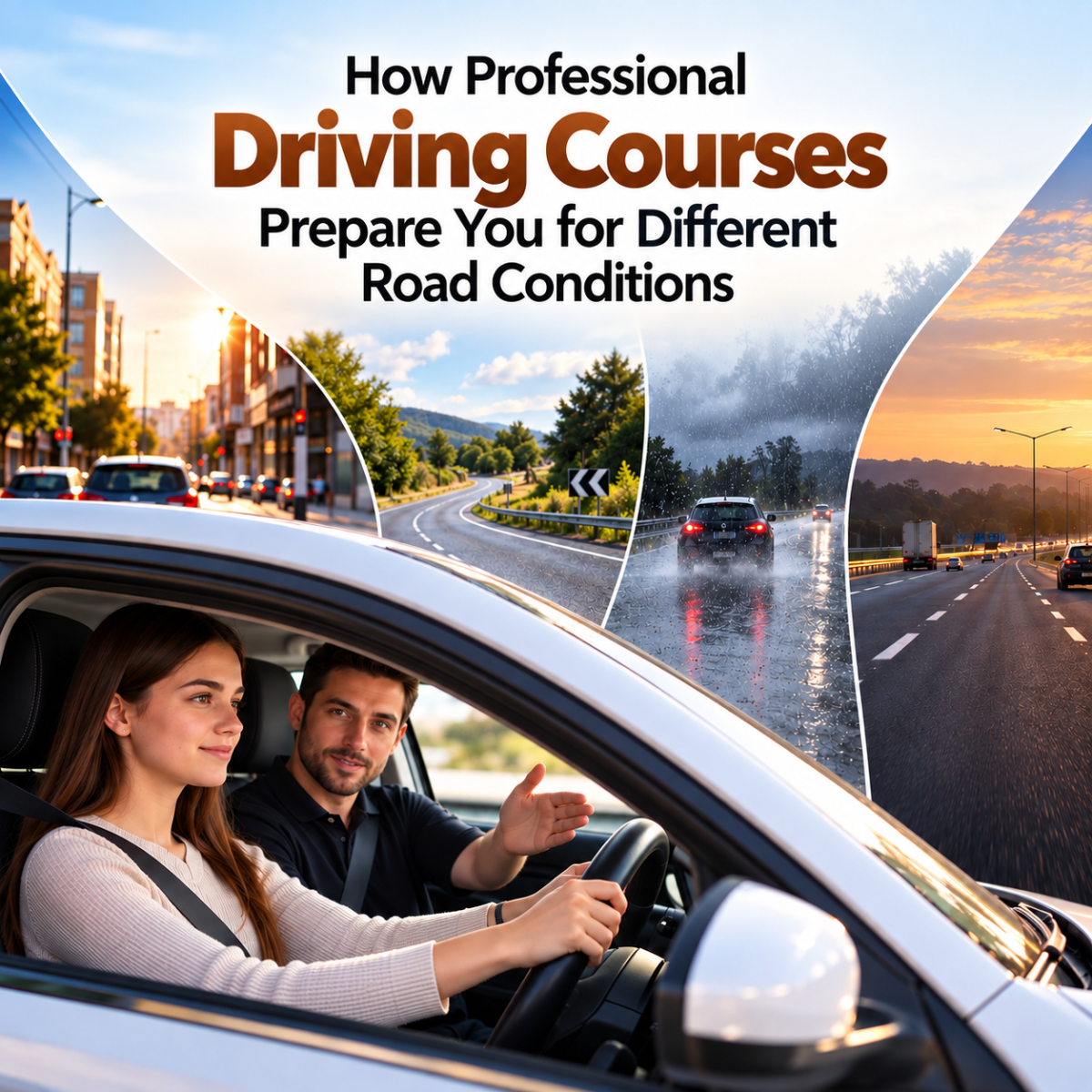
Summary: A driving course prepares you for driving on real-world roads by developing vehicle control, hazard awareness, observation, braking, positioning, decision-making, and motorway skills. With personalised lessons, regular feedback, gradual instruction, and realistic mock tests, you can build confidence while managing different road conditions. This structured learning approach helps transform a new driver into a safer and more confident road user.
Get Our ServiceCALL: +44 741 3740846
Learning how to drive is a major milestone that opens the door to independence, convenience, and new opportunities. Many people consider learning from family or friends, but enrolling in a structured driving course provides a more comprehensive and reliable foundation. A driving test checks whether you can demonstrate essential skills, but real-world driving requires you to use those skills across changing roads, traffic, weather, and situations.
Professional courses are designed to build this broader ability through structured lessons, practical experience, and regular feedback. This approach goes beyond the basics, helping new drivers build confidence, understand safety practices, and develop responsible habits that last a lifetime. With hands-on experience and expert instruction, you will be prepared to navigate real-world driving situations with ease.
Different Skills You Can Build from an Expert Driving Course
Learning to drive is not just about steering a car, changing gears, or following road signs. After getting your driving licence, you may need to drive through busy city streets, narrow roads, roundabouts, unfamiliar areas, and faster roads. This is why choosing a reliable driving school can make a difference to your learning experience. A structured course from this school helps you develop several connected skills rather than focusing only on passing the practical test. Here are the skills you can master:
Vehicle Control
This is one of the basic abilities you need to develop. You can learn how steering, braking, acceleration, and, where applicable, clutch and gear changes work together. Over time, you can gain confidence and make these actions smoother and more controlled. Expert vehicle control can help you respond appropriately in changeable road conditions.
Hazard Awareness
Common hazards in driving include cyclists, pedestrians, junctions, parked vehicles, roundabouts, vehicles emerging from side roads, and sudden traffic changes. A professional driving course teaches you to identify potential hazards early rather than reacting only when they become immediate problems.
Observation Skills
Observation during driving involves much more than looking directly ahead. You need to check mirrors, scan the road, notice traffic signs, understand what other road users are doing, and also anticipate what may happen next. Our expert instructors can encourage you to look further ahead and make observations before you need to act.
Safe Braking and Speed Control
Speed control is a crucial factor in driving. You need to know that different roads require different approaches to speed. A professional driving course involves teaching you to recognise when you should speed up and when to slow down, along with maintaining a suitable speed for the conditions.
Road Positioning
Correct road positioning supports safety and gives you better awareness of surrounding traffic. An expert instructor helps you learn to understand why positioning changes according to the road and traffic situation rather than simply memorising where to position the vehicle.
Decision-Making
Driving in the real world involves making decisions continuously. Professional instruction gives you opportunities to practise these decisions while receiving feedback. Over time, this can help you become more independent behind the wheel.
Motorway Driving Skills
Motorways introduce higher speeds, multiple lanes, and different traffic patterns. As a learner, you need to understand joining and leaving, lane discipline, overtaking, merging, and hazard awareness. Our dedicated motorway driving course can provide supervised practice in these situations.

How Professional Instructors in a Driving Course Build Confidence Gradually
Start with the Basics
The early lessons set up essential controls, braking, steering, observations, and basic road awareness. The approach of starting with manageable tasks gives you an opportunity to become familiar with the vehicle before dealing with more complicated traffic situations.
Adapt Lessons Based on Your Progress
Two people are not the same, and that is why not every learner develops at the same pace. Our driving instructors can identify areas where you need more practice and adjust future lessons accordingly. If you need additional practice with junctions, our instructors can spend more time there before they introduce other demanding skills.
Introduce More Challenging Roads
After the basic driving skills become more consistent. Lessons can gradually move towards busier roads, complex junctions, unfamiliar routes, and faster traffic. This gradual progress helps you avoid being overwhelmed and gives you meaningful challenges. For example, if you want to prepare yourself quickly, consider an intensive crash driving course for steady development
Create a Calm Learning Environment
Everyone makes mistakes, and these are part of learning. In a professional driving course, our DVSA-approved instructors explain what went wrong, demonstrate a safer approach, and allow you to try again. You can also feel comfortable asking questions and discussing personal difficulties instead of trying to hide them. This kind of supportive instruction can make driving practice more productive.
Use Regular Practice and Feedback
Feedback typically helps you understand what you are doing well and what still needs improvement. In addition, regular lessons can provide you with time to support previous skills rather than forgetting them between long gaps. If you have busy schedules, our flexible weekly course can provide consistent practice while allowing lesson times to fit around work, education, or other commitments.
How Mock Tests in a Driving Course Prepare You for Real Driving Pressure
A practical driving test can feel different from an ordinary lesson. A mock test can introduce this pressure before the actual assessment. Our well-structured mock test driving course can simulate test-style conditions. This course includes independent driving, road positioning, observation, manoeuvres, and following instructions. Realistic test-route practice and feedback on areas that need improvement significantly extend the value of this practice.
Transform Yourself from a Learner to a Confident Road User
The purpose of professional driving education should extend beyond obtaining a licence. Different course formats can also accommodate different learning preferences, while transparent and fair pricing can make it easier to understand the cost of the training you choose.
The right combination of professional guidance, regular practice, and real-road experience can help you approach driving with greater awareness and control. The transition from learner to independent driver happens through repeated practice, constructive feedback, and gradually increasing responsibility. You can trust our expert driving instructors who offer driving lessons for beginners, mock test prep, automatic or manual lessons, and more. Contact us to master driving skills and hit the road with confidence.
Popular Posts
How a Reliable Driving School Prepares You for Real-World Roads
September 28, 2026
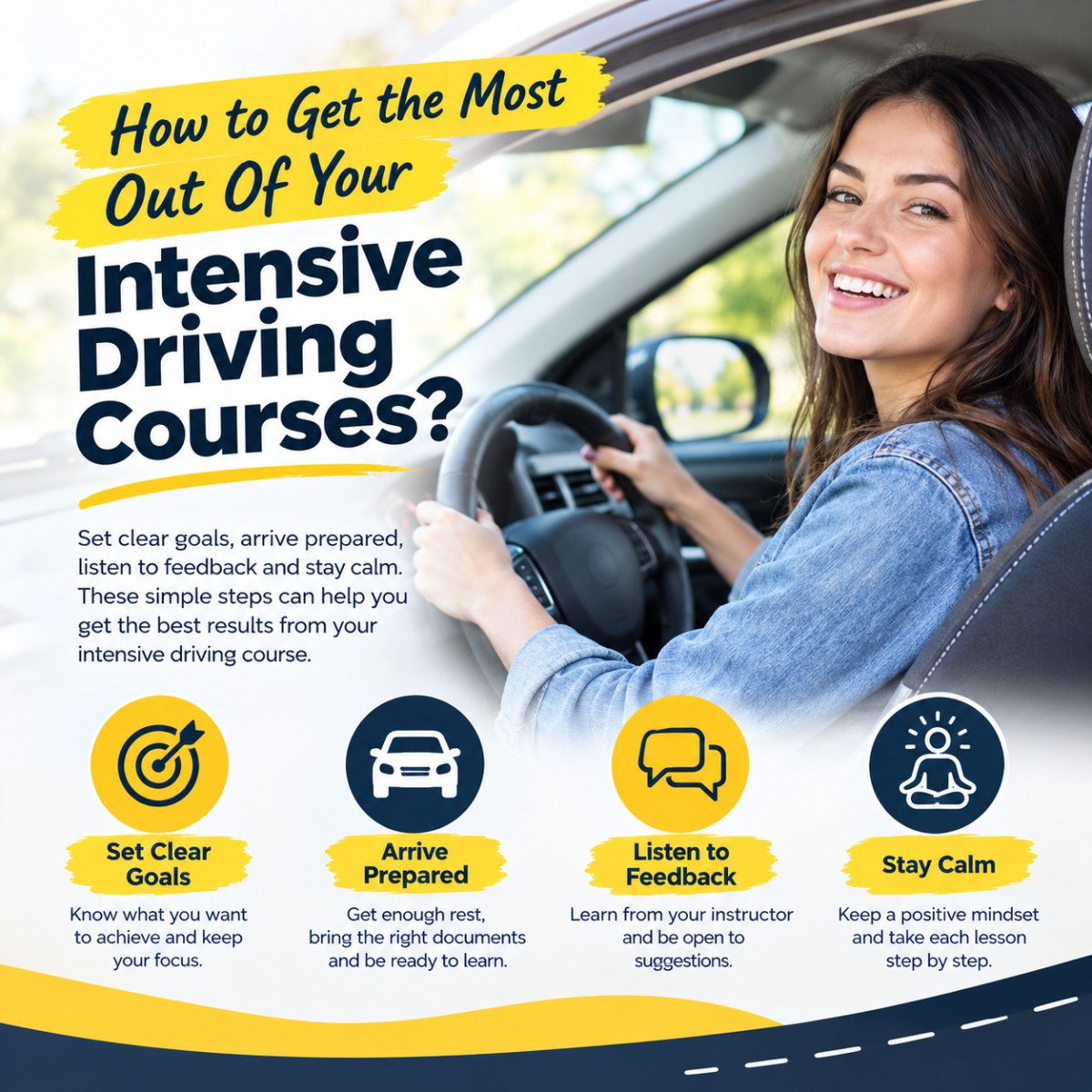
How to Get the Most Out Of Your Intensive Driving Courses?
September 22, 2026
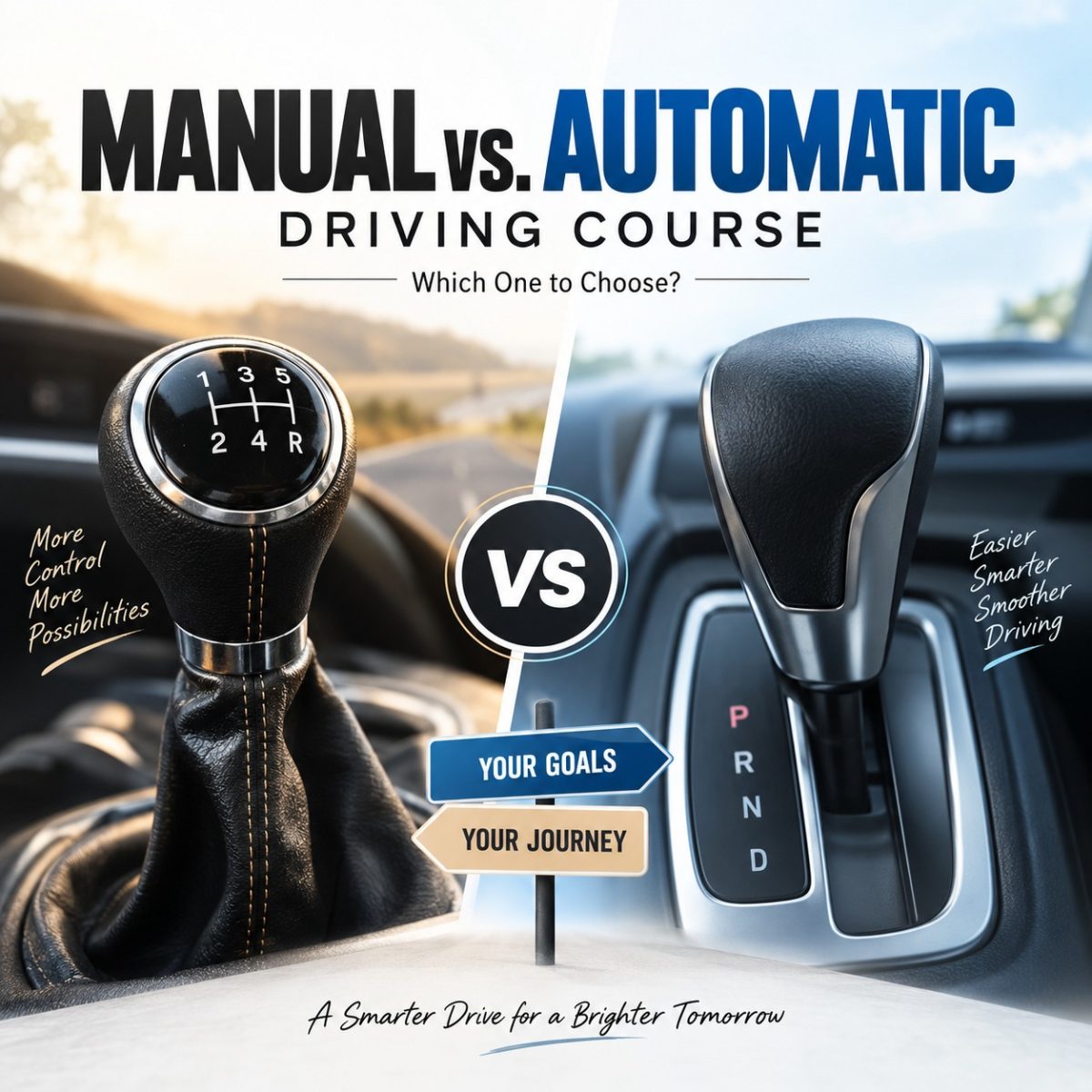
Manual vs. Automatic Driving Course: Which One to Choose
September 19, 2026
Post A Comment