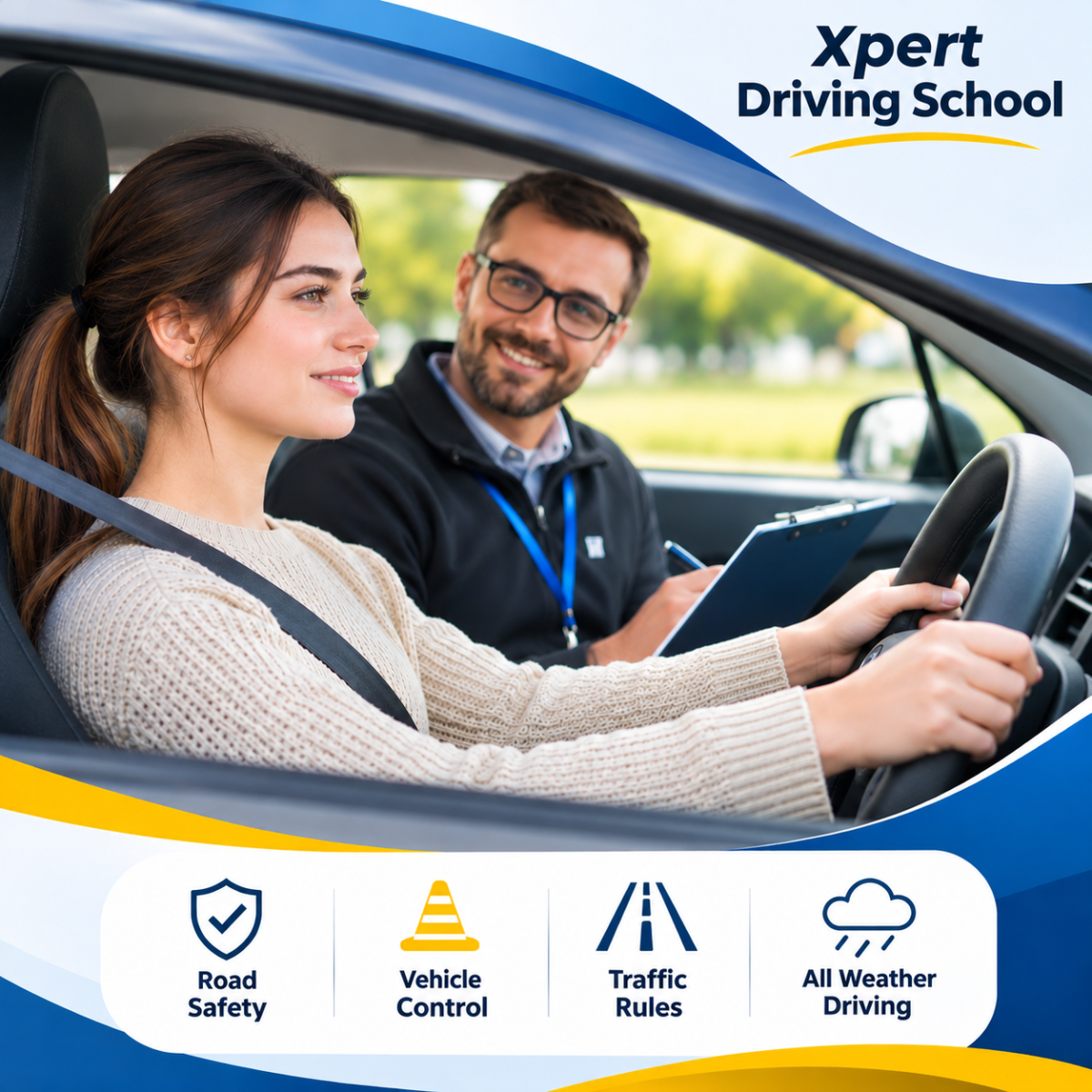
Summary: Professional driving instructors help beginners develop safe driving habits through structured lessons, practical guidance, and consistent feedback. Learners gain essential skills for independent living ranging from improving vehicle control and understanding traffic rules to managing speed, recognising hazards, and handling different road conditions. Regular practice combined with expert education helps beginners overcome nervousness, build confidence, and become responsible drivers who prioritise road safety.
Get Our ServiceCALL: +44 741 3740846
A rushed lane change, a glance at a phone, a few extra miles per hour on a wet road often take an ordinary journey to turn into a serious problem. Learning to drive properly is an important milestone as it brings confidence and independence. Becoming a responsible driver involves more than learning how to operate a vehicle or passing a driving test.
As a beginner, you need to understand road safety, traffic rules, vehicle control, and how to respond to unexpected situations. It can be said that developing these skills from the beginning can make a significant difference to your long-term driving habits. This is where professional driving instructors for beginners play an important role. With practical guidance, structured lessons, and real-world experience, experts teach safe driving practices from your first lesson. In this blog, we will explore why guidance from professional driving experts is key to developing safe driving habits.
Common Challenges of Learning to Drive
Lack of Confidence
Many new learners feel nervous when driving for the first time. Approaching vehicles, busy junctions, and unexpected situations can increase anxiety. Fear of making mistakes or causing accidents can make it hard to concentrate and stay calm. Professional instructors create a supportive learning environment where beginners can practise gradually. It helps you overcome nervousness and develop confidence without feeling pressured.
Vehicle Control
When you drive a car, steering, braking, accelerating, and using mirrors all at once can be confusing at first. Managing all these things and coordinating these actions smoothly takes time and practice. Our expert instructors explain each control and provide practical exercises to improve coordination and maintain smooth vehicle movement.
Understanding Traffic Rules
For new drivers, understanding traffic signs, signals, road markings, speed limits, and road regulations can be overwhelming. We can explain these regulations and demonstrate how to apply them in real driving situations. This approach helps you make informed decisions and avoid unsafe driving behaviour.
Parking and Manoeuvring
Reversing, parallel parking, and road regulations can be overwhelming for beginners. These parking and manoeuvring skills require patience and repeated practice. We break these manoeuvres into manageable and easy-to-understand steps to help you understand steering movements, observation techniques, and vehicle positioning.
Dealing with Other Road Users
Sharing the road with pedestrians, cyclists, motorcyclists, and other experienced drivers can be intimidating, and it requires patience and awareness. If you become impatient or aggressive, it can lead to mistakes or panic. We help you anticipate other road users’ movements, maintain safe distances, and communicate your intentions through appropriate signals.
Is Making Mistakes Part of Learning to Drive
Well, the answer is yes: making mistakes is a natural part of learning. As a beginner, you may stall the car, select the wrong gear, misjudge distances, or forget to check the mirrors. There is no need to be discouraged. Instead, you need to understand what went wrong and how to improve. Through our professional driving courses, you can identify your mistakes early and get constructive feedback. When you practise the correct techniques repeatedly, it helps to prevent unsafe habits from developing.
Why Safe Driving Habits Matter for Beginners
Protects More Than Your Own Car
Safe driving is not just about protecting your car from damage; it involves protecting passengers, pedestrians, cyclists, and other motorists. It can be said that every choice behind the wheel affects other people. Checking blind spots, maintaining a safe following distance, and following speed limits can help to reduce the risk of accidents.
Improves Confidence
Most learners think that confidence arrives once they have passed. But it does not work like that. Real confidence comes from knowing how to handle situations properly. Confidence disappears the moment something unexpected happens. If you rely on safe habits, confidence grows because you trust your own process. Consistent practice helps you make decisions independently instead of relying on constant instructions.
Reduces Fleet Costs
Drivers who avoid harsh braking, unnecessary acceleration, and careless manoeuvres can help reduce fuel consumption, vehicle damage, and maintenance expenses. If you learn these habits, it will be beneficial throughout your driving career.
Coping with Poor Weather Conditions
Rain, fog, strong winds, and icy roads can make driving more difficult. Beginners have to understand that poor weather conditions affect visibility, braking distances, and vehicle control. Professionals teach you to adjust your speed, increase following distances, and use appropriate lights when conditions become challenging.
Role of Professional Driving Instructors in Your Independent Driving
Establish Good Habits Early
Professional instructors do more than prepare beginners for their driving tests. They encourage you to develop correct routines from your first lesson. This routine includes adjusting mirrors, wearing seat belts, checking surroundings, using indicators, and maintaining proper steering control. Our intensive and semi-intensive driving courses are designed to help beginners progress at a comfortable pace while understanding their responsibilities as drivers.
Help to Scan the Road
Anticipating what might happen next is one of the most important skills a new driver can develop. We will teach you to scan the road, check mirrors regularly, identify potential hazards, and anticipate changes in traffic. This approach improves awareness and gives you more time to respond safely.
Strengthen Defensive Driving Skills
Defensive driving involves anticipating possible dangers and taking precautions before problems arise. We explain how to recognise risky situations, maintain appropriate distances, and respond calmly when other road users make unexpected movements. It helps you become a more responsible and considerate driver.
Manage Space
Understanding the space around a vehicle is important. Beginners sometimes underestimate how much space they need to stop, turn, merge, or respond to traffic. Our professional instruction helps new drivers develop better space management.
Build Better Speed Control
Speed management involves much more than staying below the posted speed limit. Safe driving involves adjusting your speed based on road conditions, traffic, visibility, weather, pedestrians, curves, intersections, and surrounding vehicles. We help you understand when slowing down is appropriate even when the posted speed limit would technically allow you to drive faster.
Becoming a safe driver requires patience, regular practice, and professional guidance. Choosing the right instructor helps you develop vehicle control, road awareness, defensive driving techniques, and confidence for independent journeys. We offer structured lessons at fair prices and guidance from experienced instructors to support you at every stage. Contact us today to discuss the right driving course for your needs in Sheffield.
Popular Posts
November 20, 2026
November 06, 2026
November 03, 2026
Post A Comment